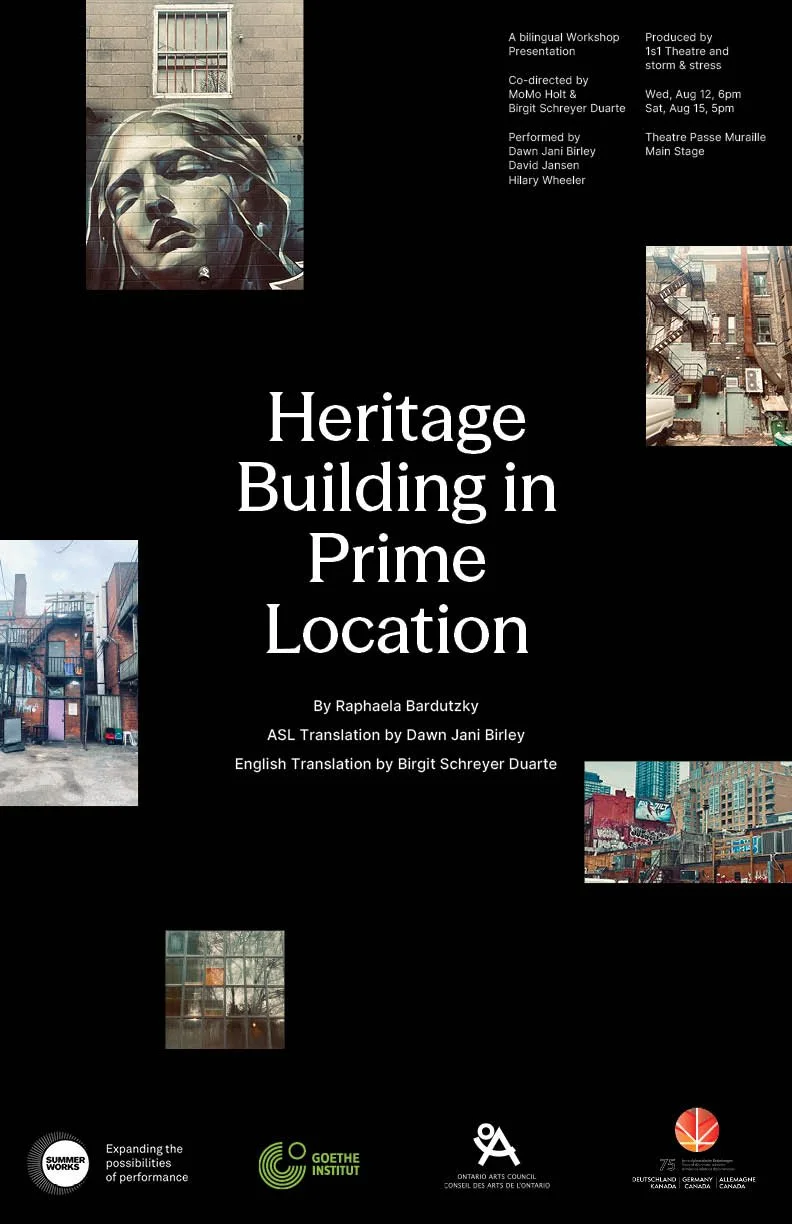
Workshop Presentation of HERITAGE BUILDING IN PRIME LOCATION at Toronto’s SummerWorks Festival 2026_Trailer by Mallory Brown
HERITAGE BUILDING IN PRIME LOCATION (ALTBAU In ZENTRALER LAGE)
by raphaela Bardutzky
translated by Birgit Schreyer Duarte / Dawn Jani Birley
Co-Directed by MoMo Holt & Birgit Schreyer Duarte
FIRST ASL & ENGLISH-LANGUAGE Presentation, Aug. 12 + 15, 2026, THeatre passe Muraille, Toronto
A Co-production of storm&stress, 1s1 Deaf-led Theatre, and Summerworks Performance FEstival
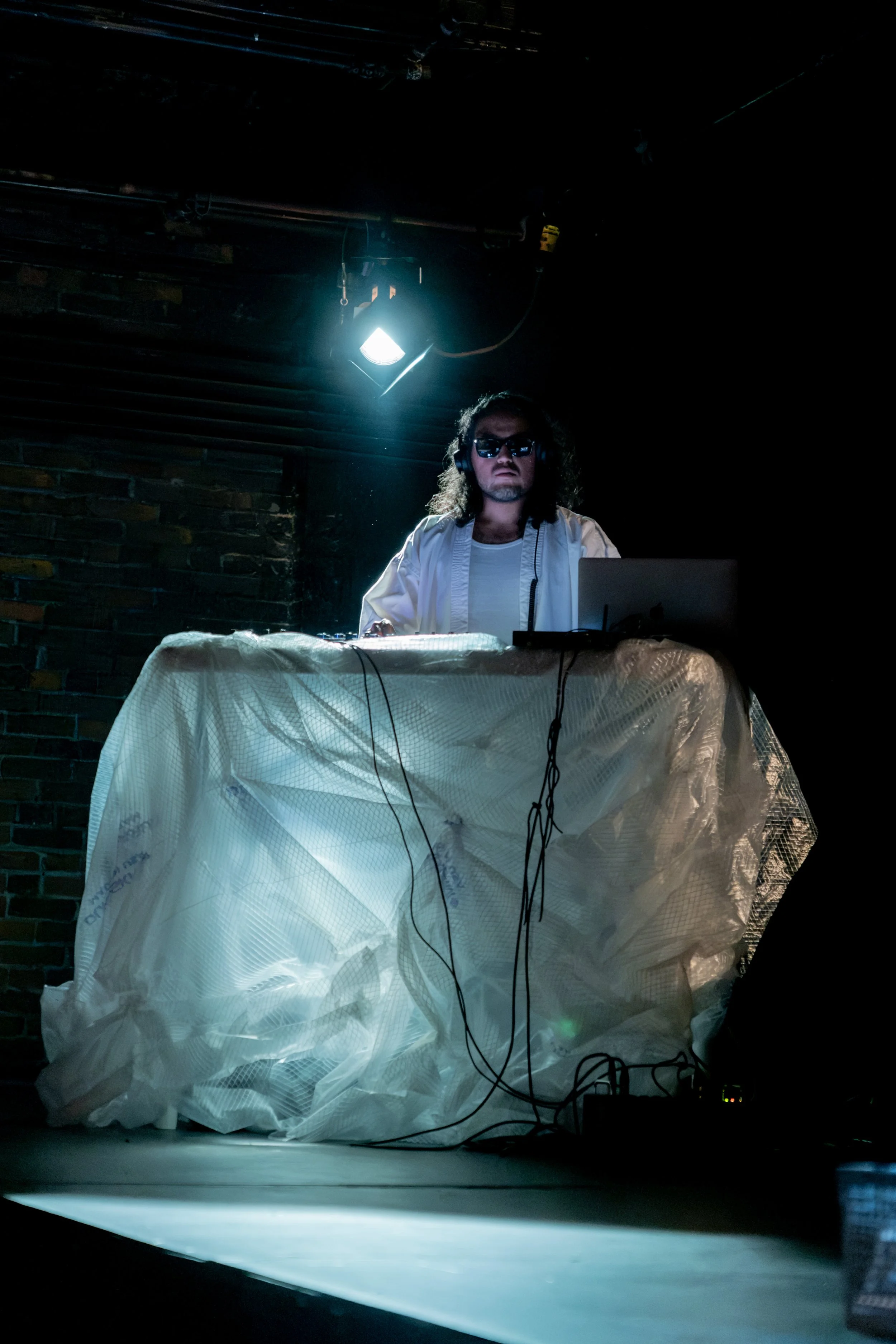
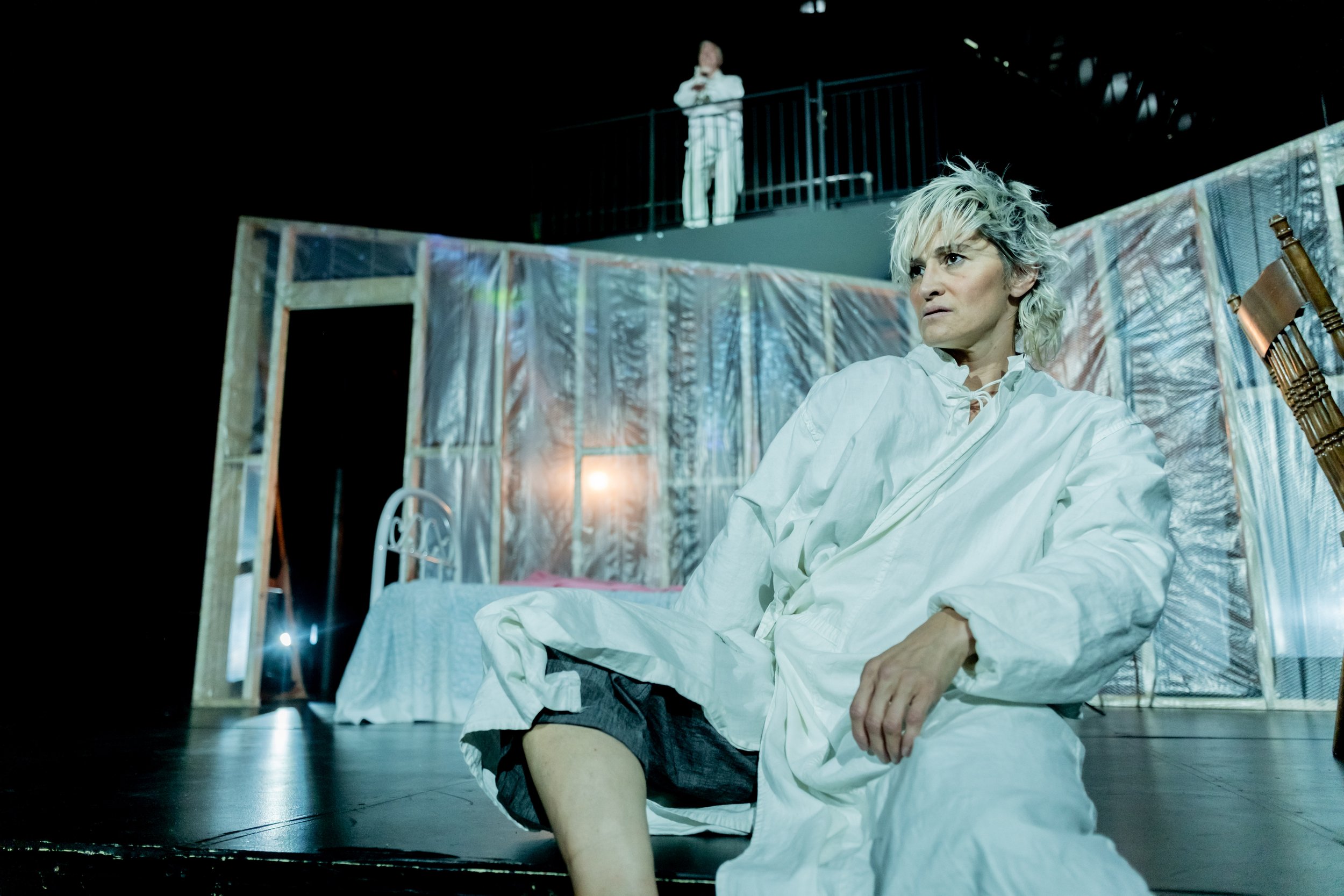
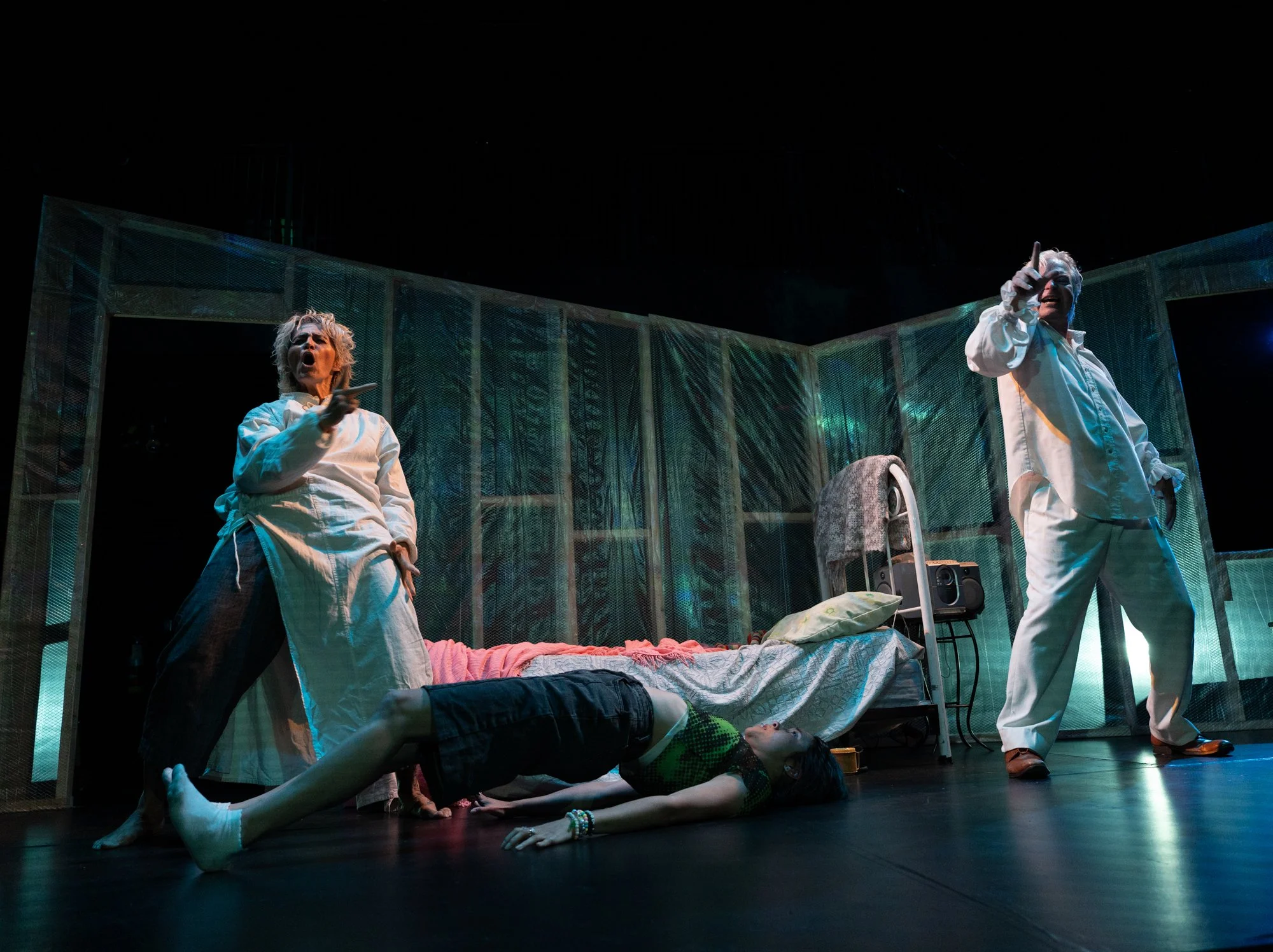
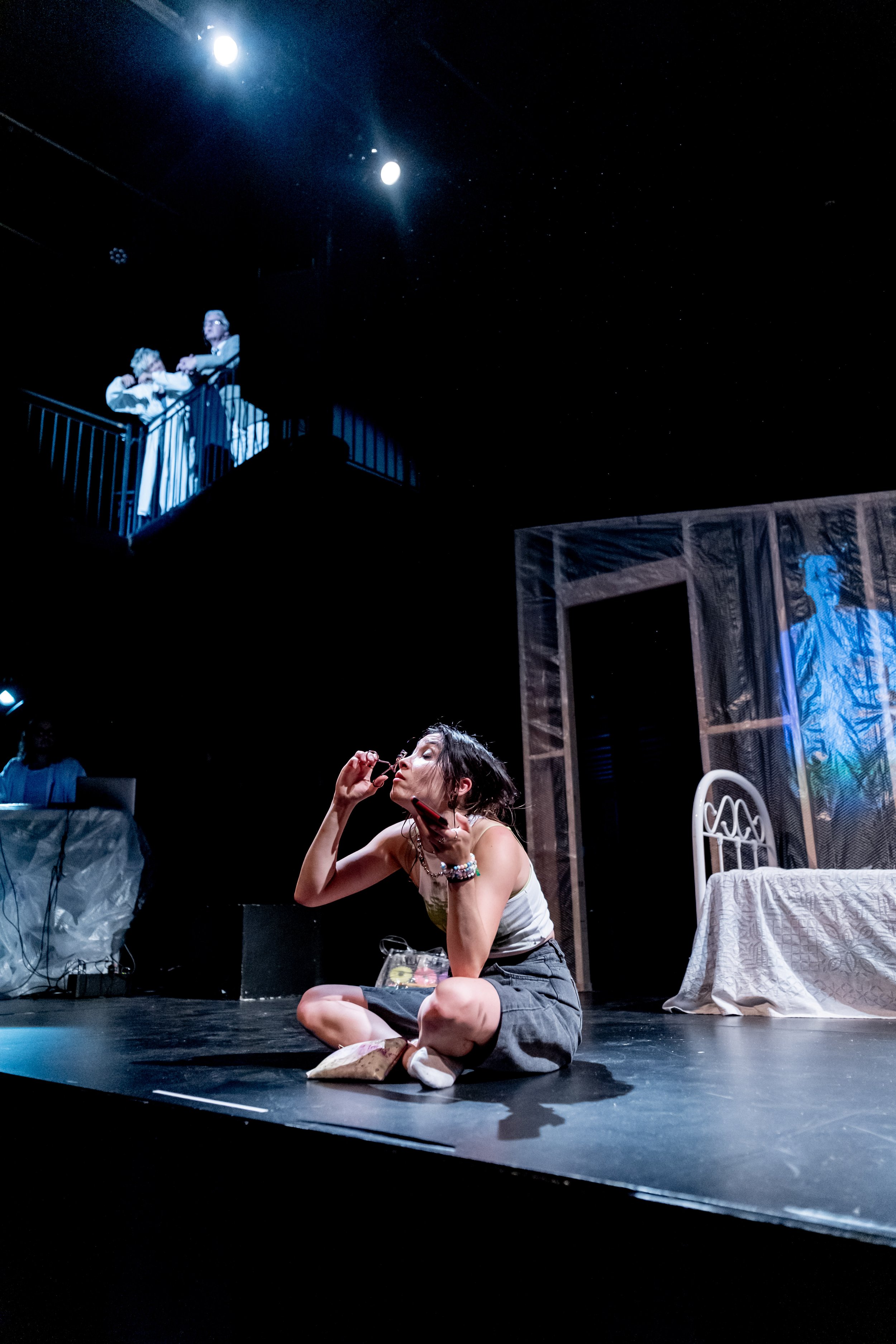
Performed by Dawn Jani Birley, David Jansen & Hilary Wheeler / Sound/Vibration Design & DJ David Ariza / Set & Costume Design Amanda Wong / Projection & Lighting Design Nicole Eun-Ju Bell / Stage Manager & Production Manager Sally Roberts / Stage Management Support Sparrow Valentine / Head Carpenter Dale Sharp Jr. / ASL Instructor Andrea Zammit, Hands on ASL! / ASL-English Interpreters Gloria Brifoglio, Sheila Johnston, Kate Lewis, Peggy Zehr / Poster Design Louis Schreyer Duarte / Videography Mallory Brown, Alice Lo / Photography Annette Schreyer
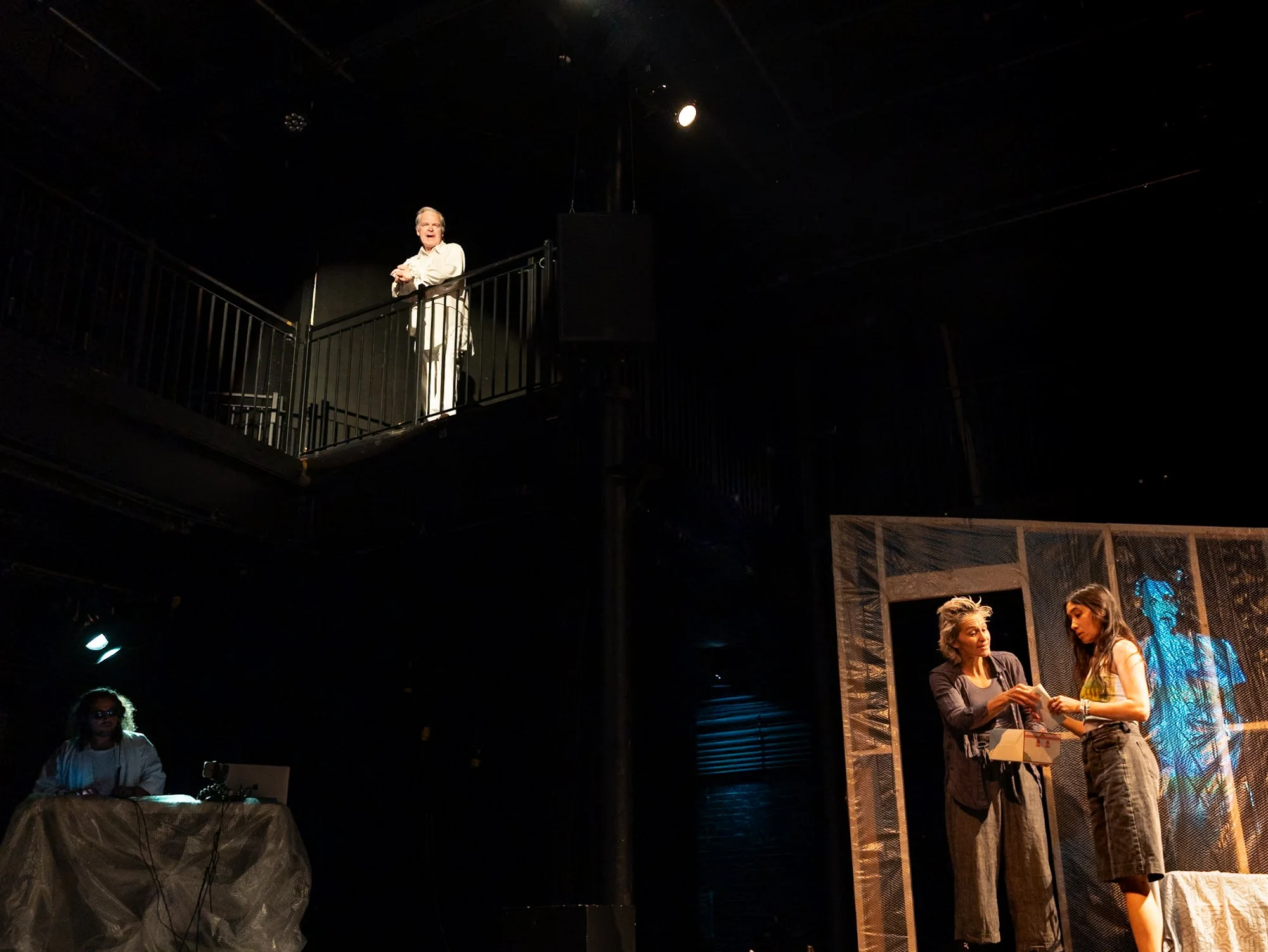
Housing is not only about property — it is about dignity, identity, and belonging.
- Dawn Jani Birley
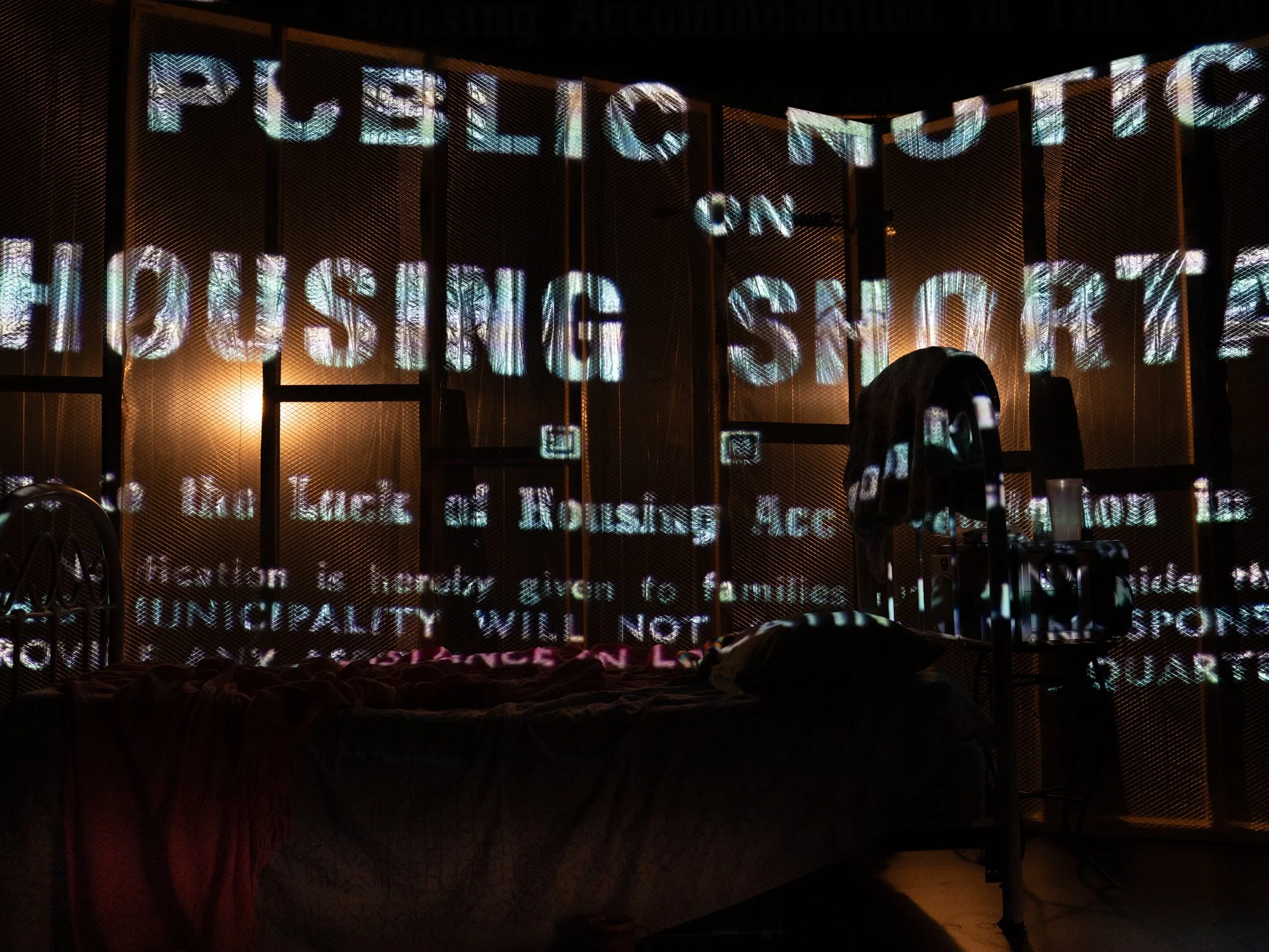
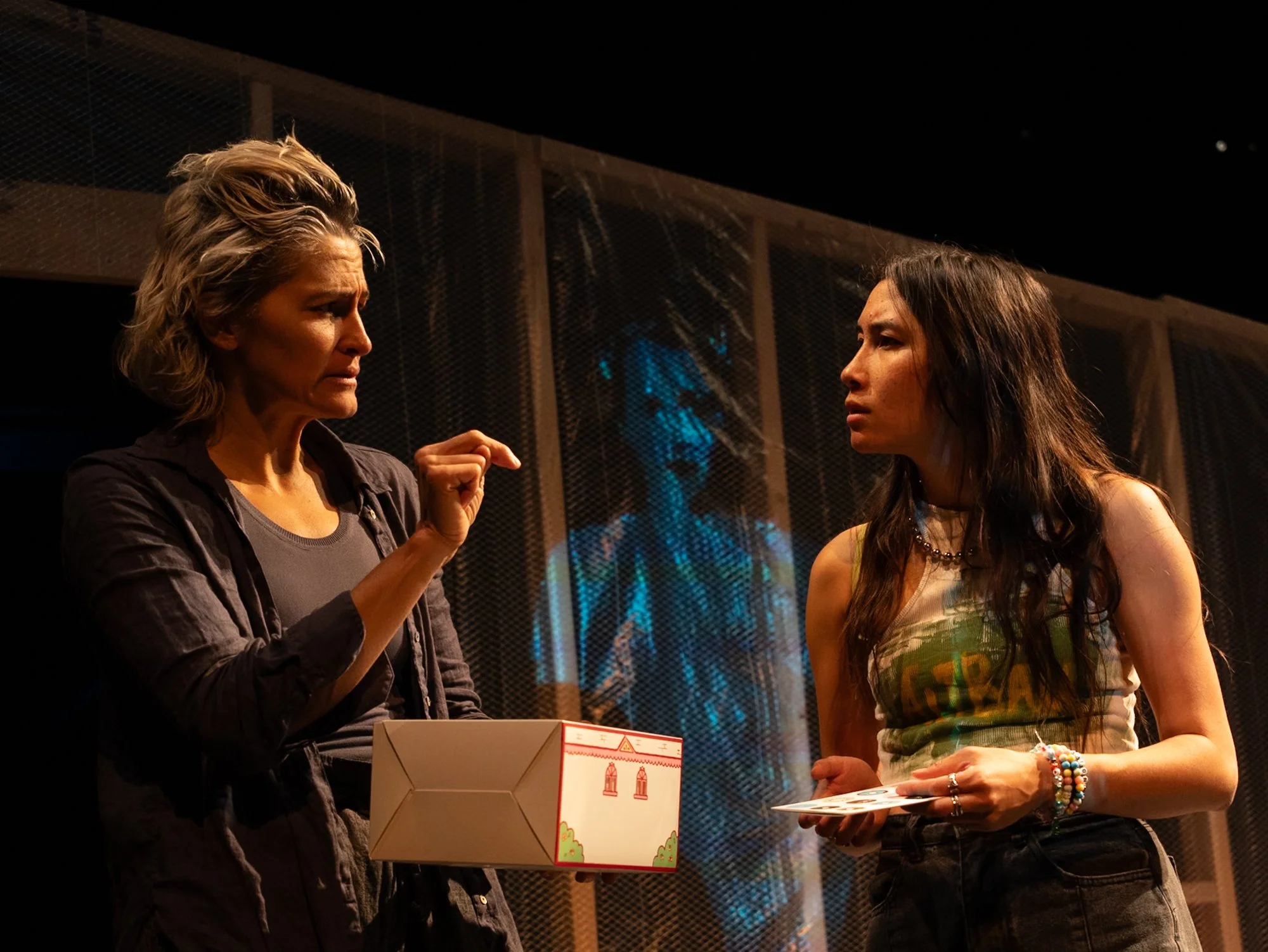
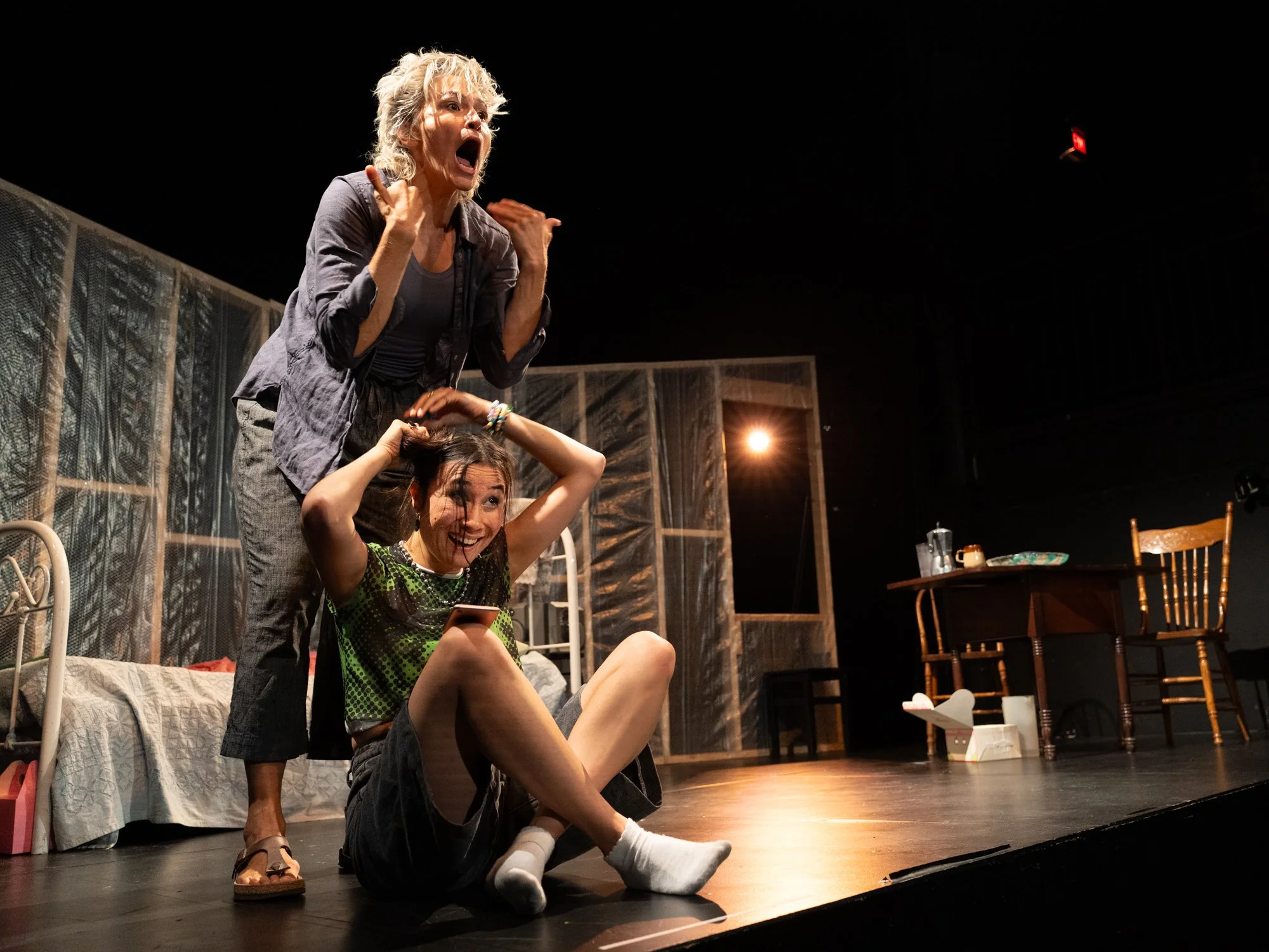
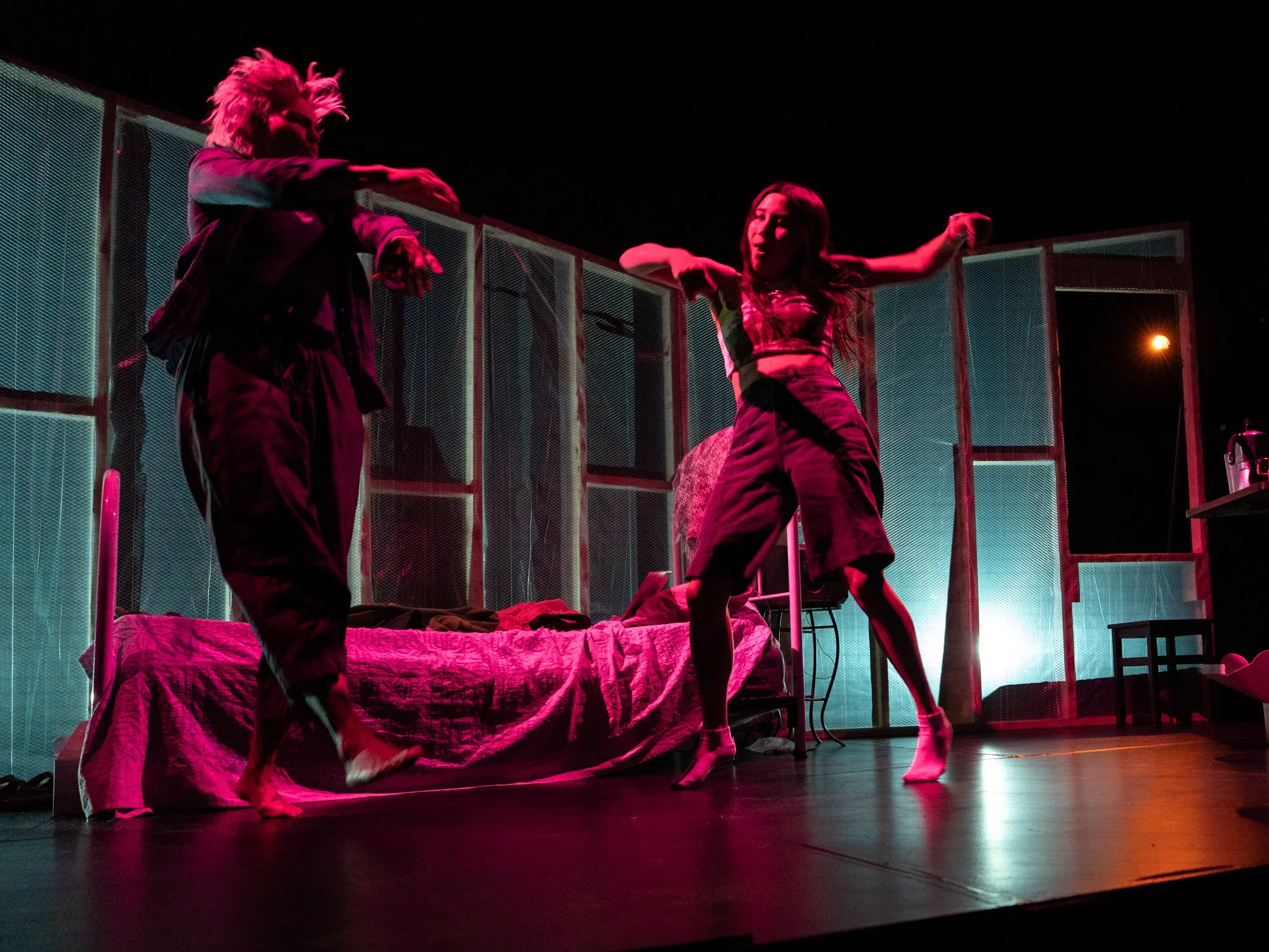
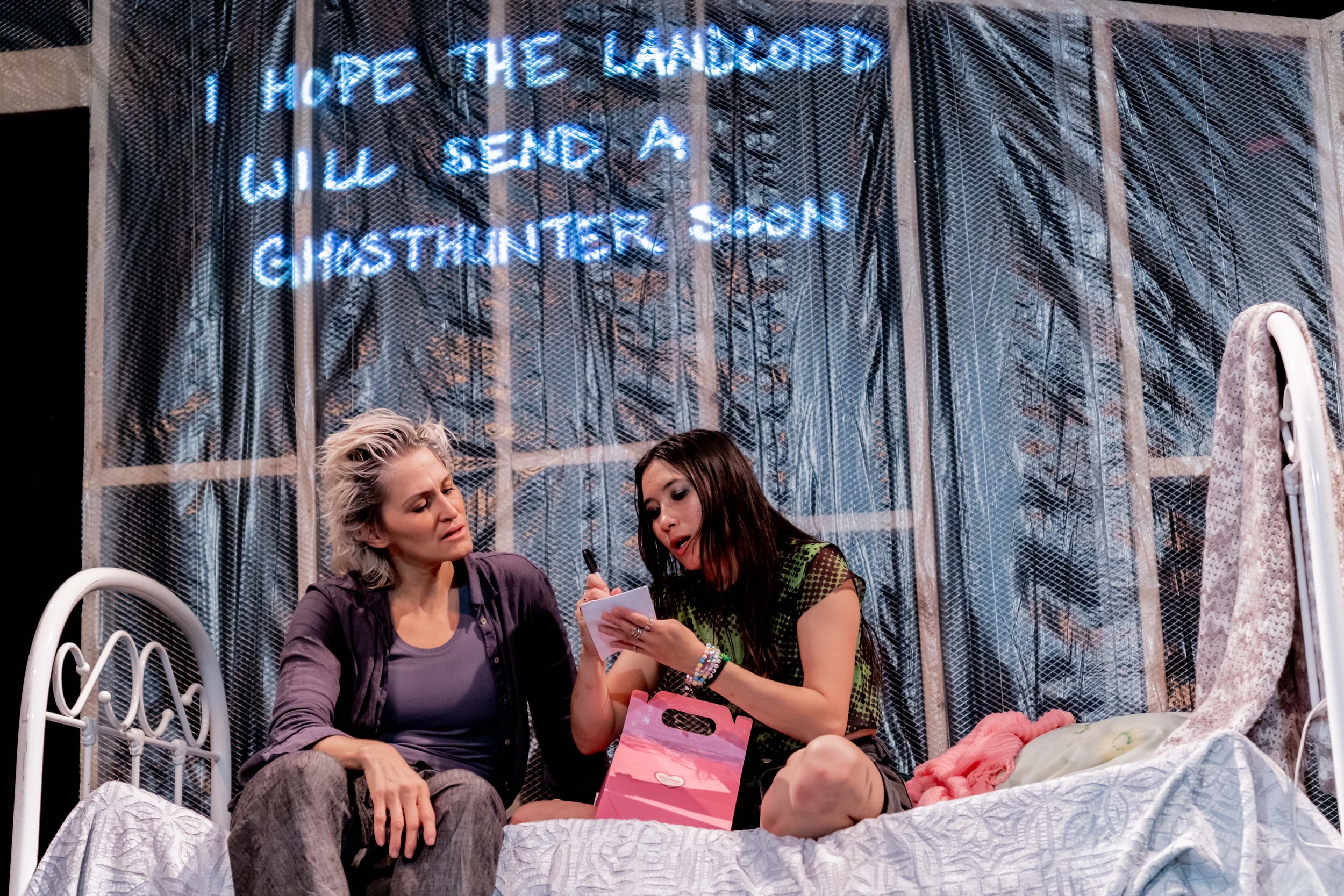
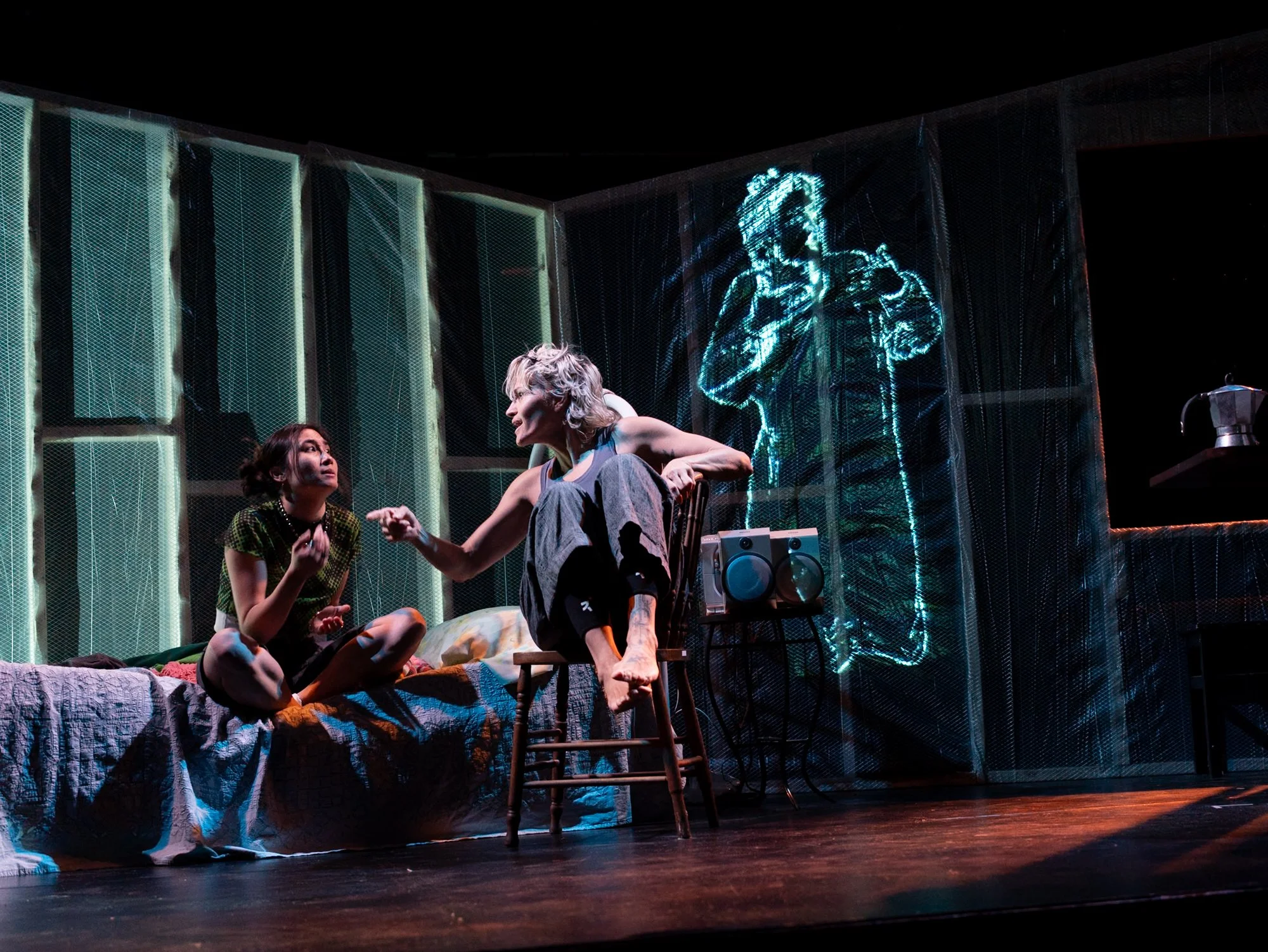
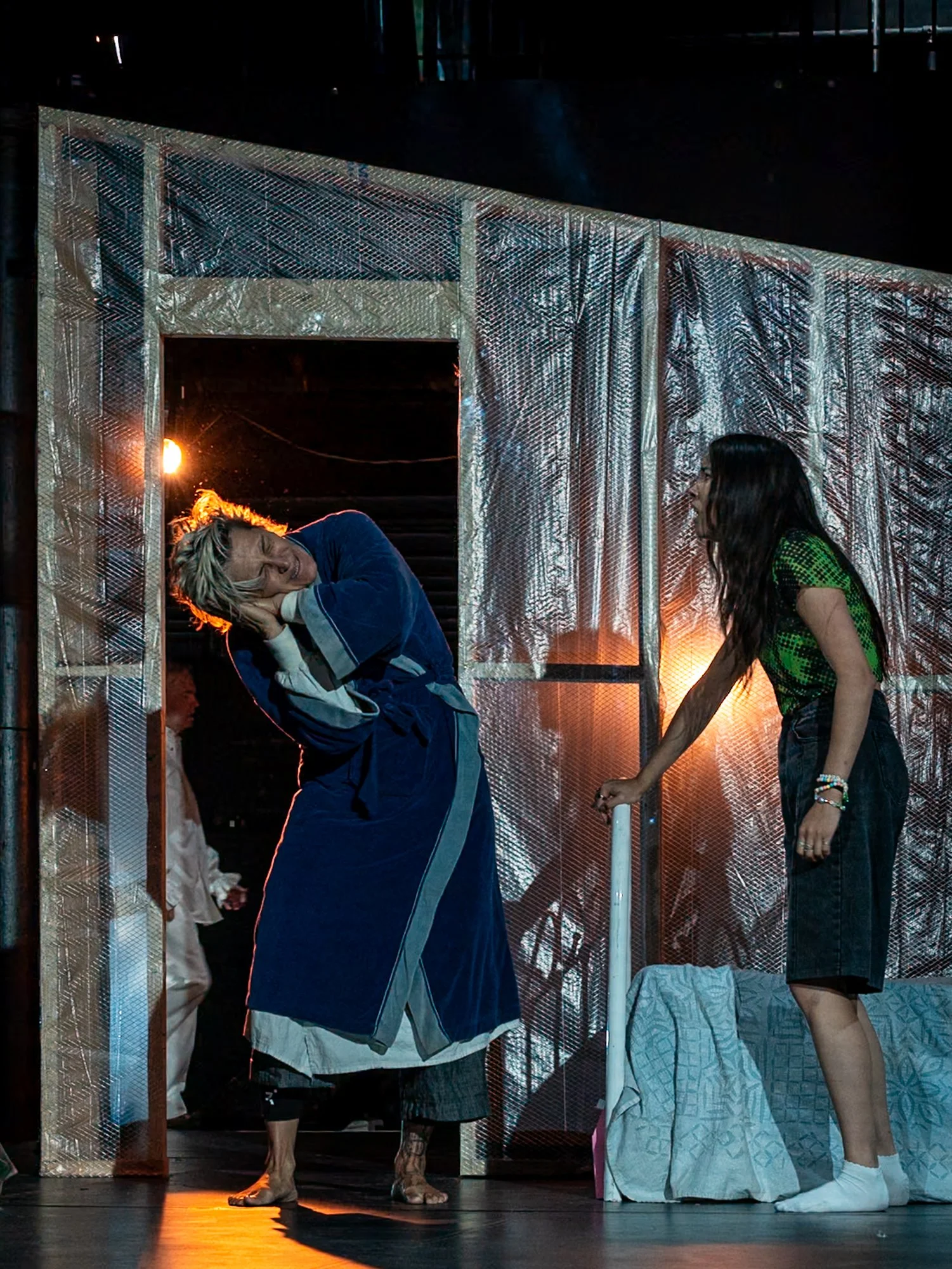
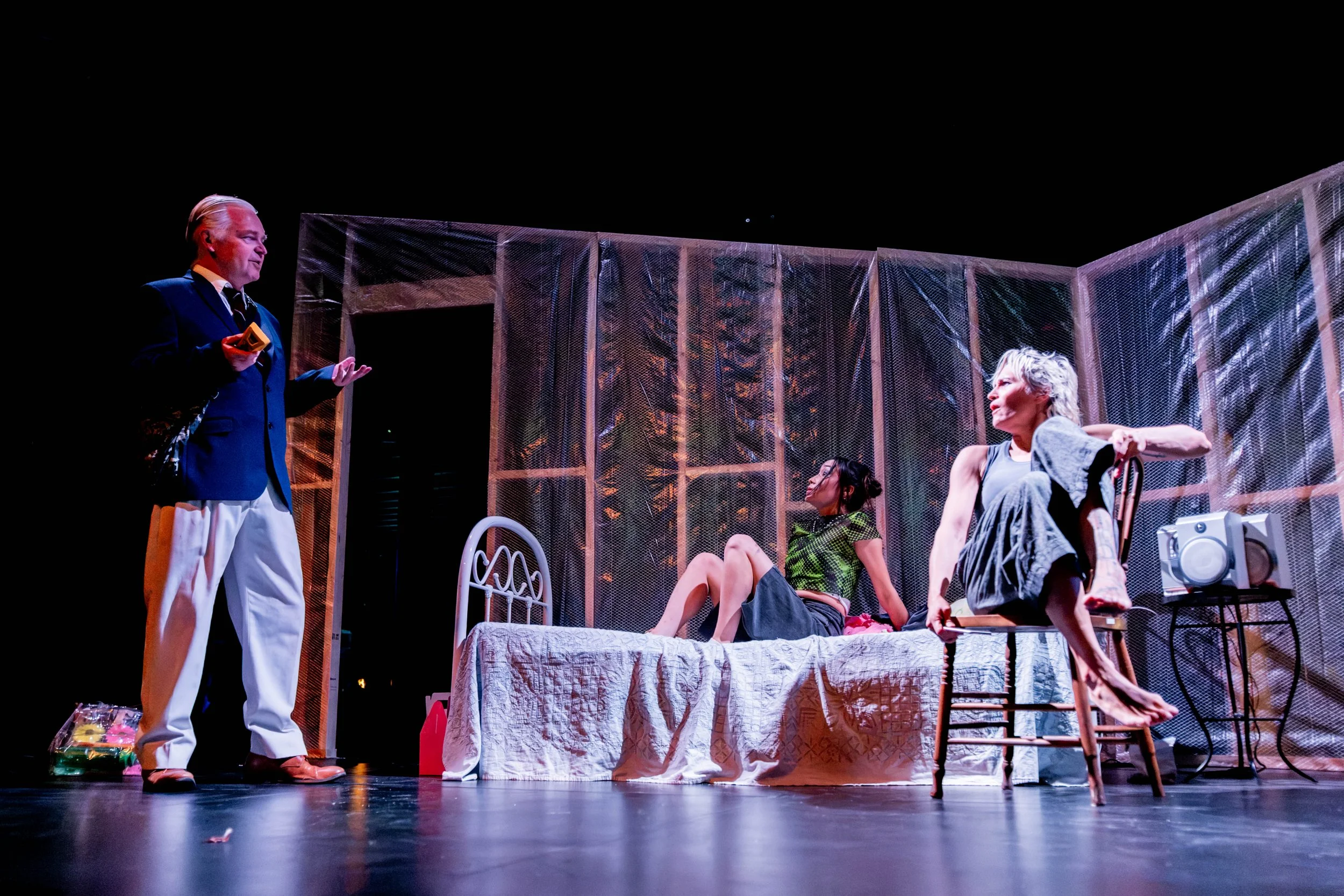
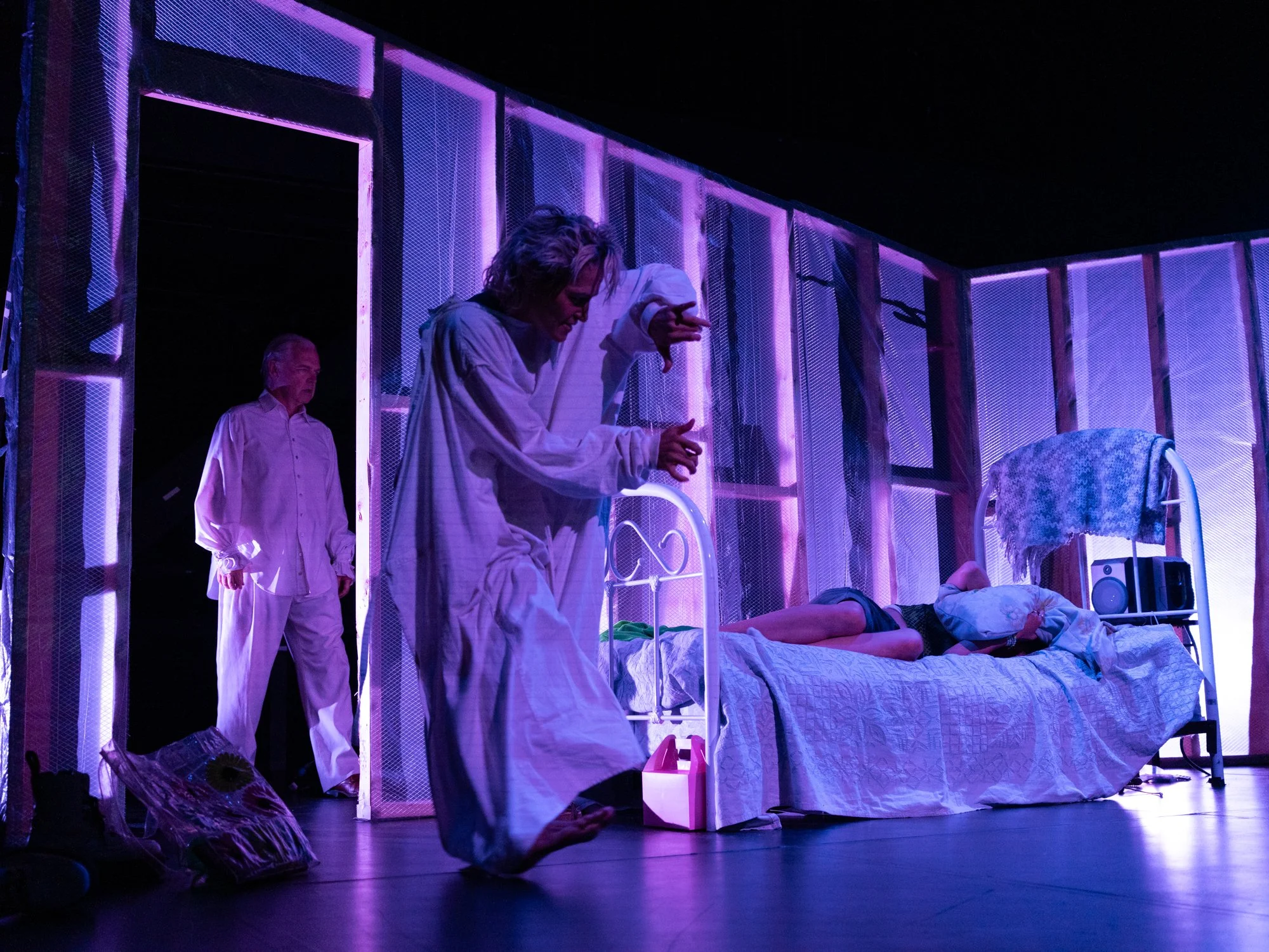
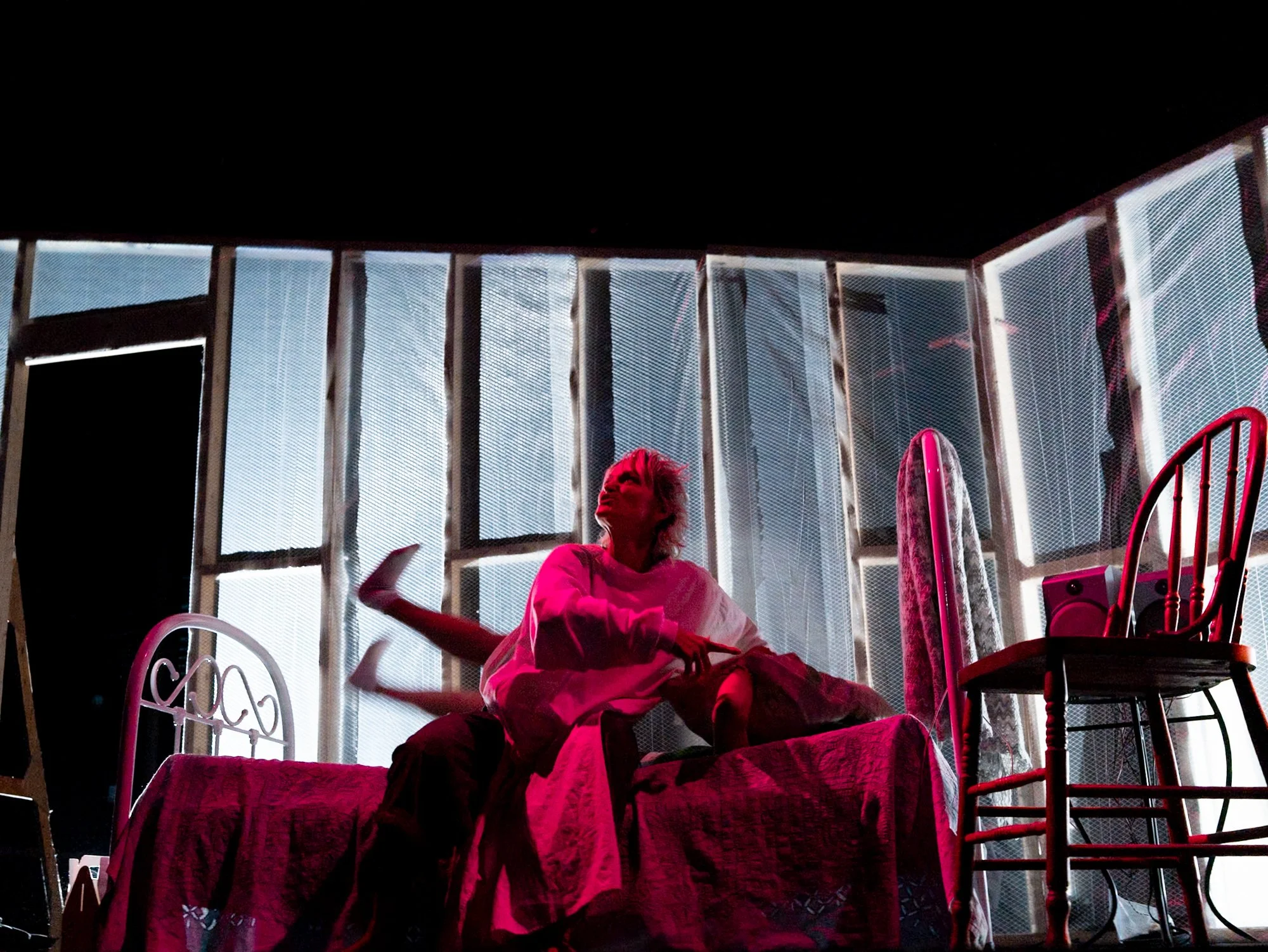
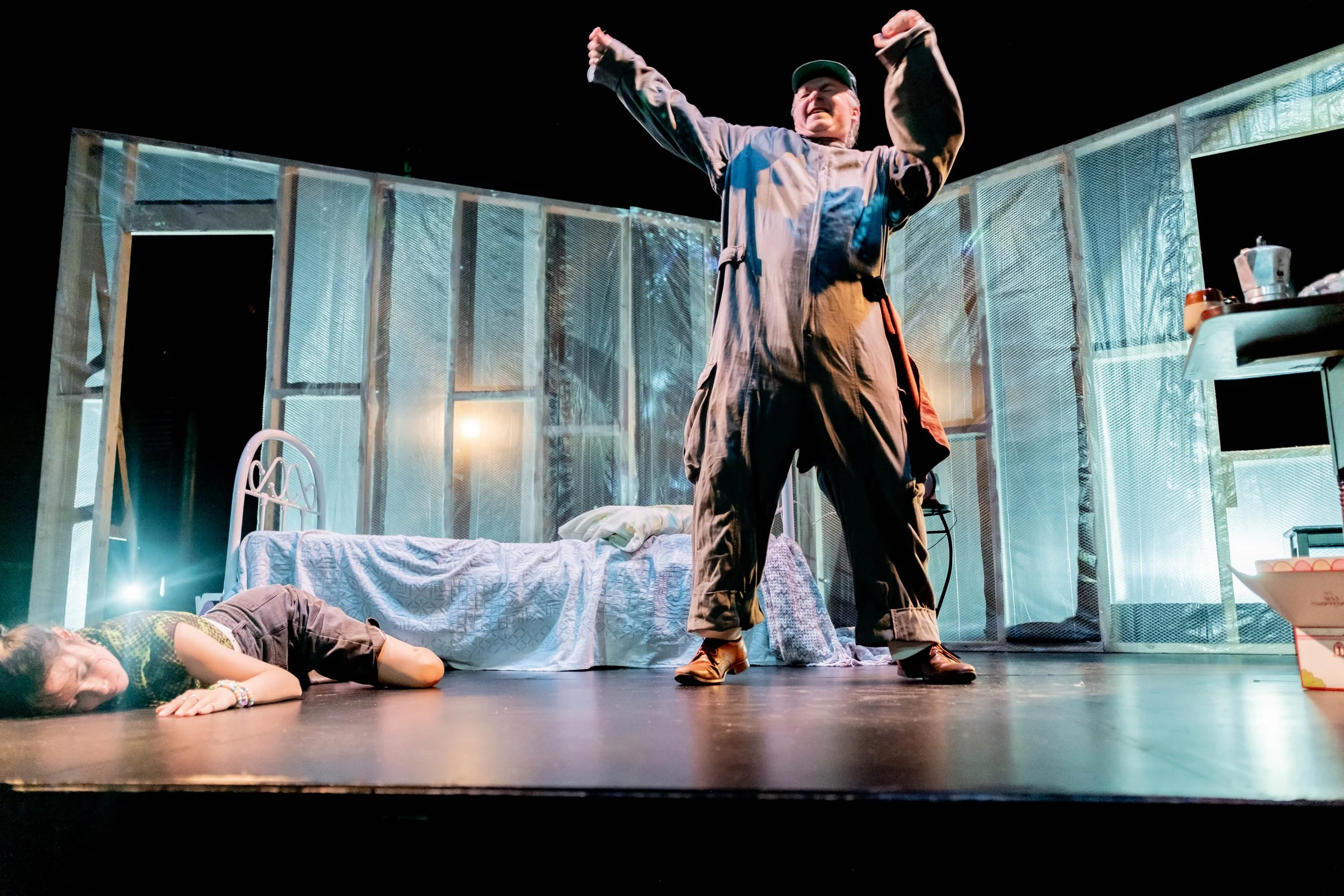
Through ASL, spoken English and physical storytelling, this housing-market drama and ghost story explores the urban housing crisis and the politics of communication. Join neighbours Zoey, Trisha, and the ghosts of their dilapidated building, as they struggle to reclaim their home. Set in a historic building targeted for luxury redevelopment, Heritage Building in Prime Location follows the last remaining tenants as they resist a profit-driven landlord determined to displace them. As unexpected connections emerge through shared sensory experience, the building itself becomes a site of resistance. Centring questions of language, power, displacement and coexistence, the work examines what it means to remain, communicate and survive amid social and architectural gentrification. Disruptive and at times disorienting, this multi-perspective work is not simply watched—it is felt, as the boundaries between the living and the dead begin to blur.
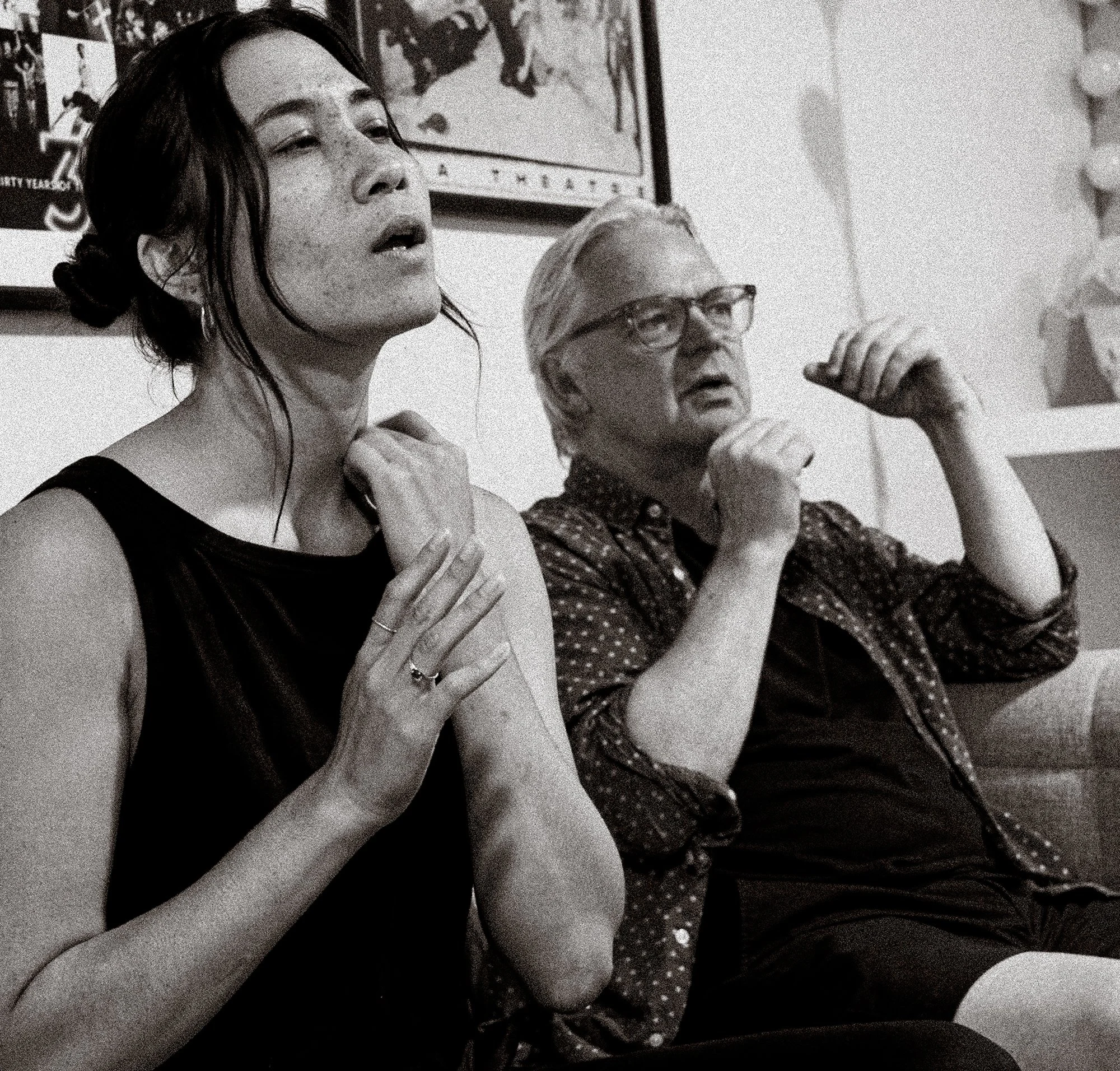
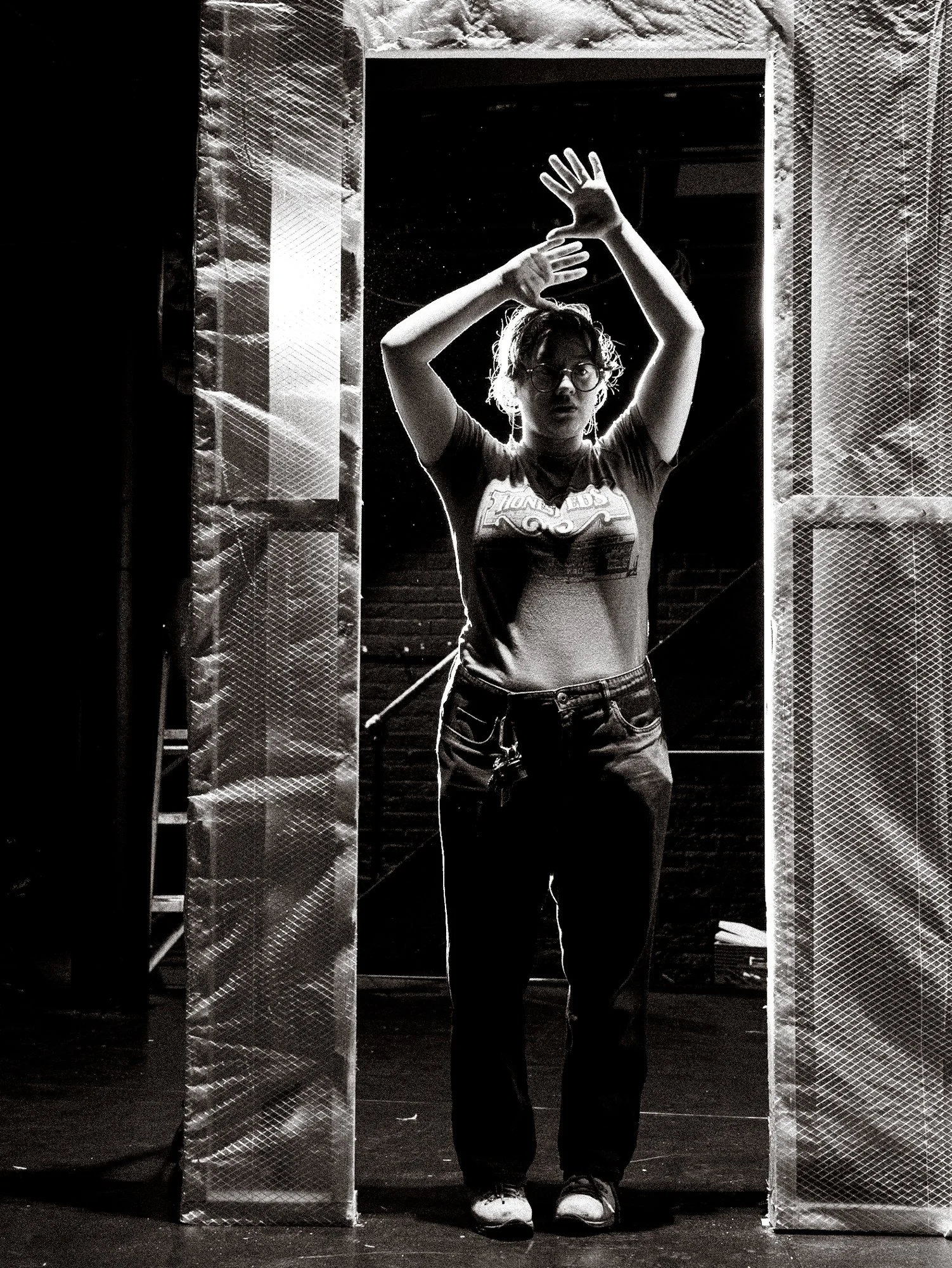
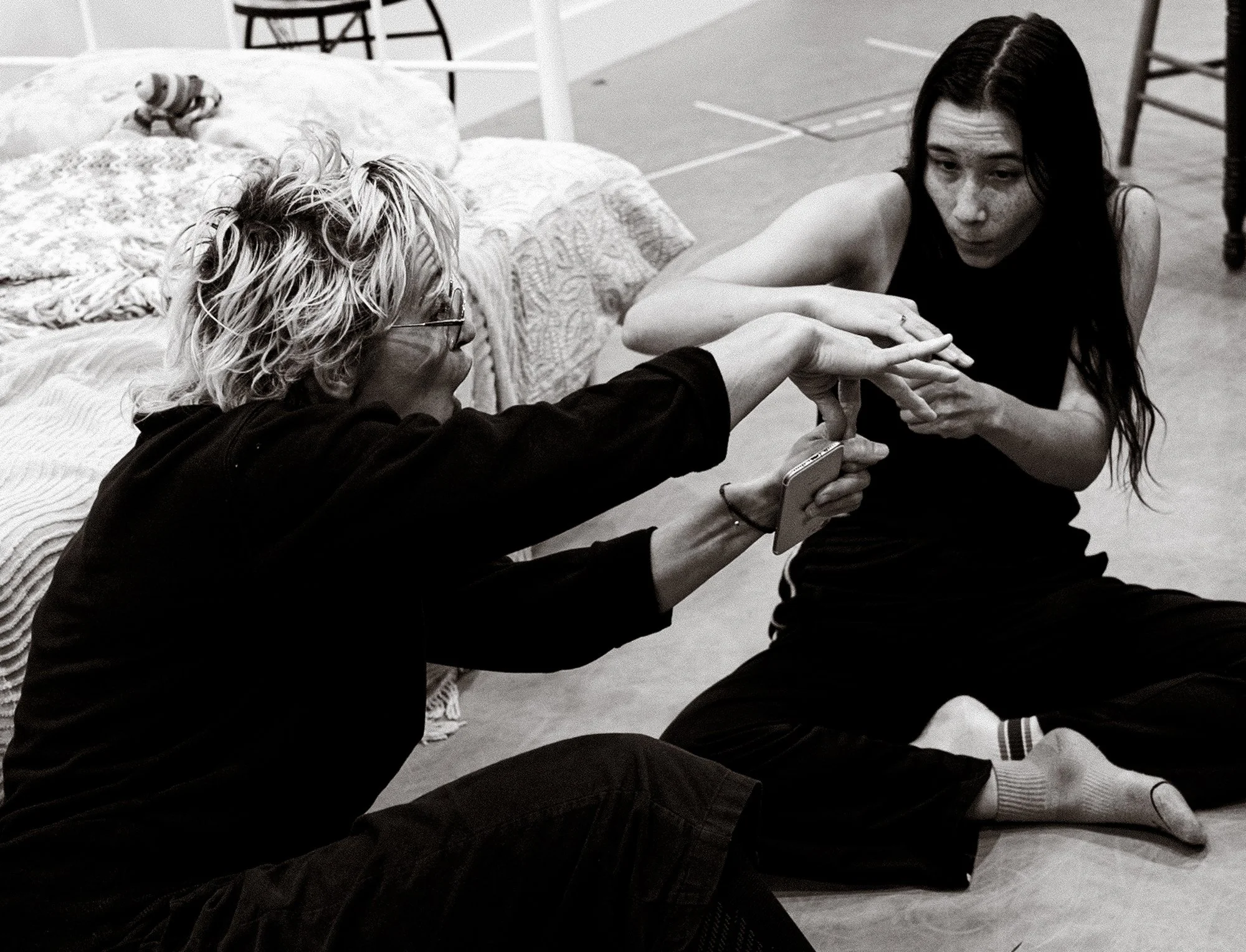
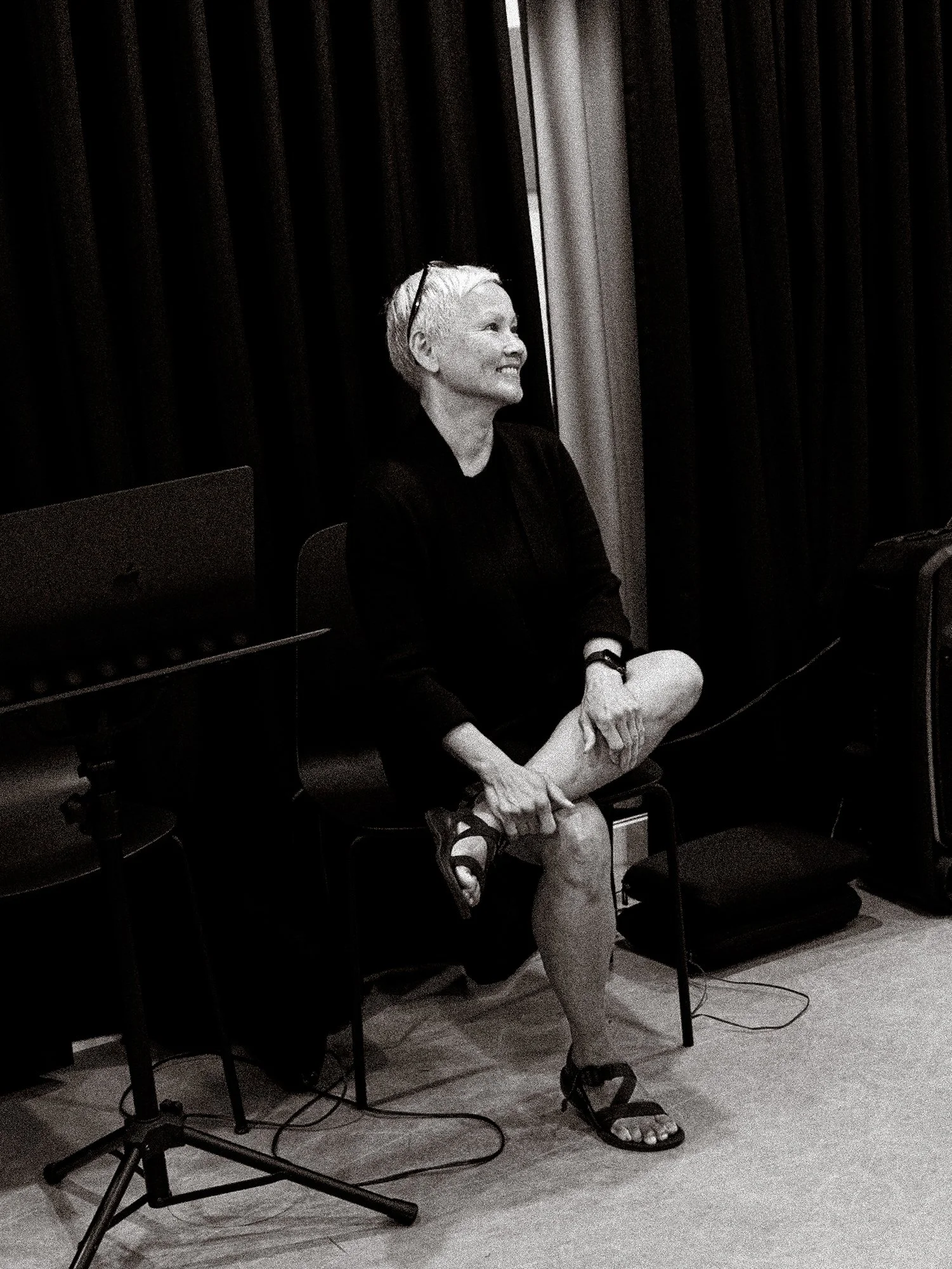
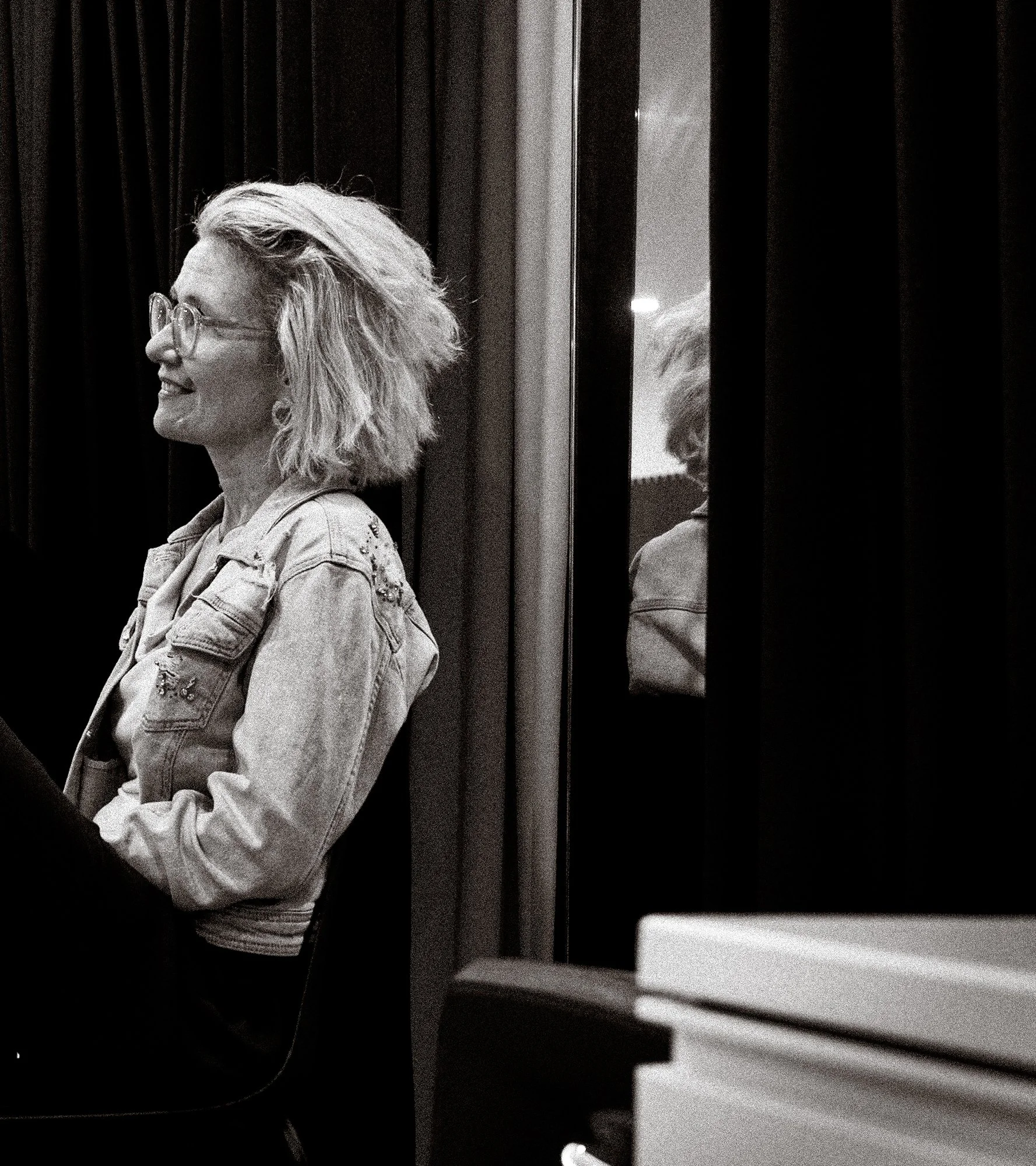
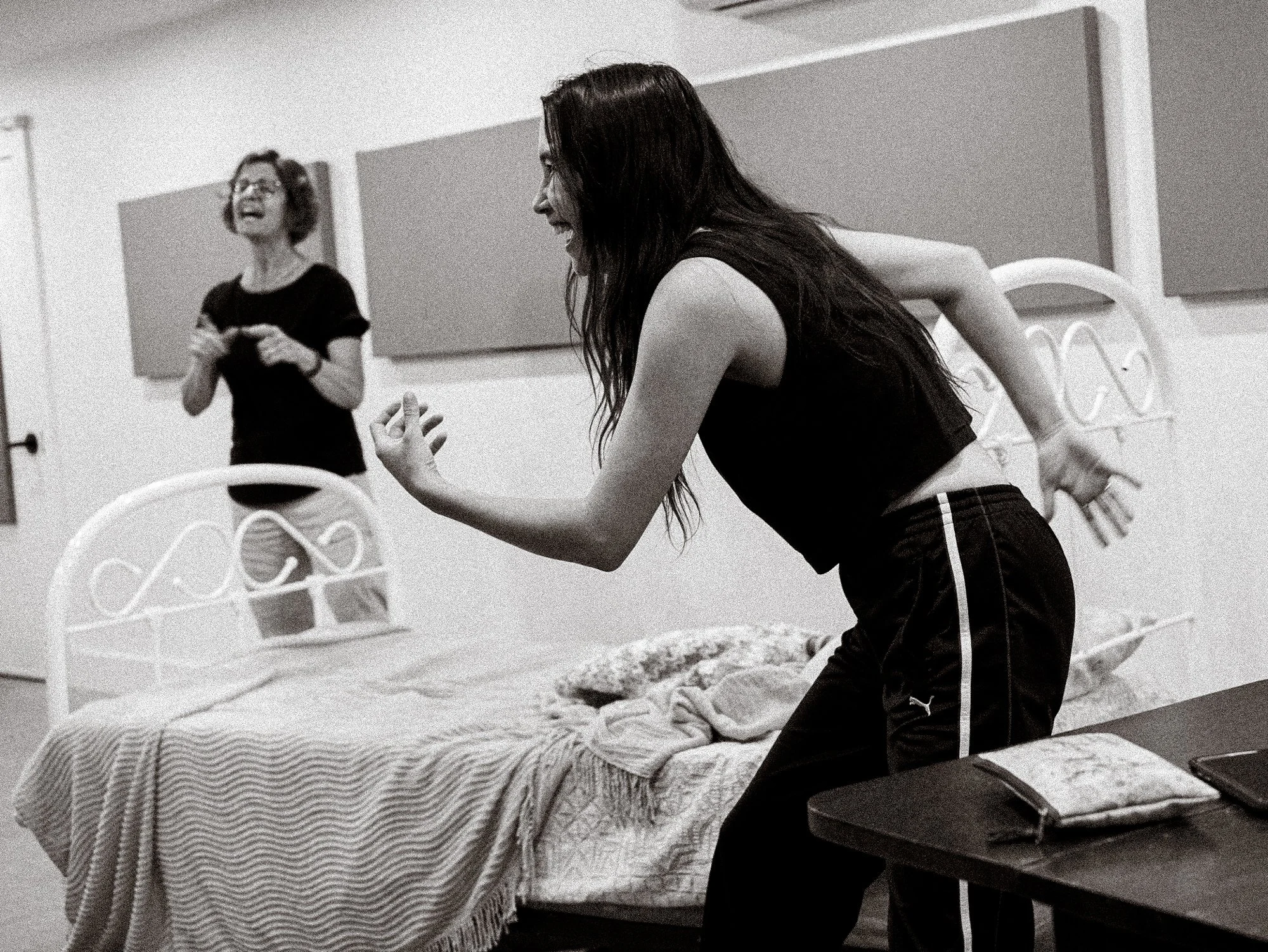
Co-Directors’ Notes
CLICK HERE FOR ITS ASL VERSION
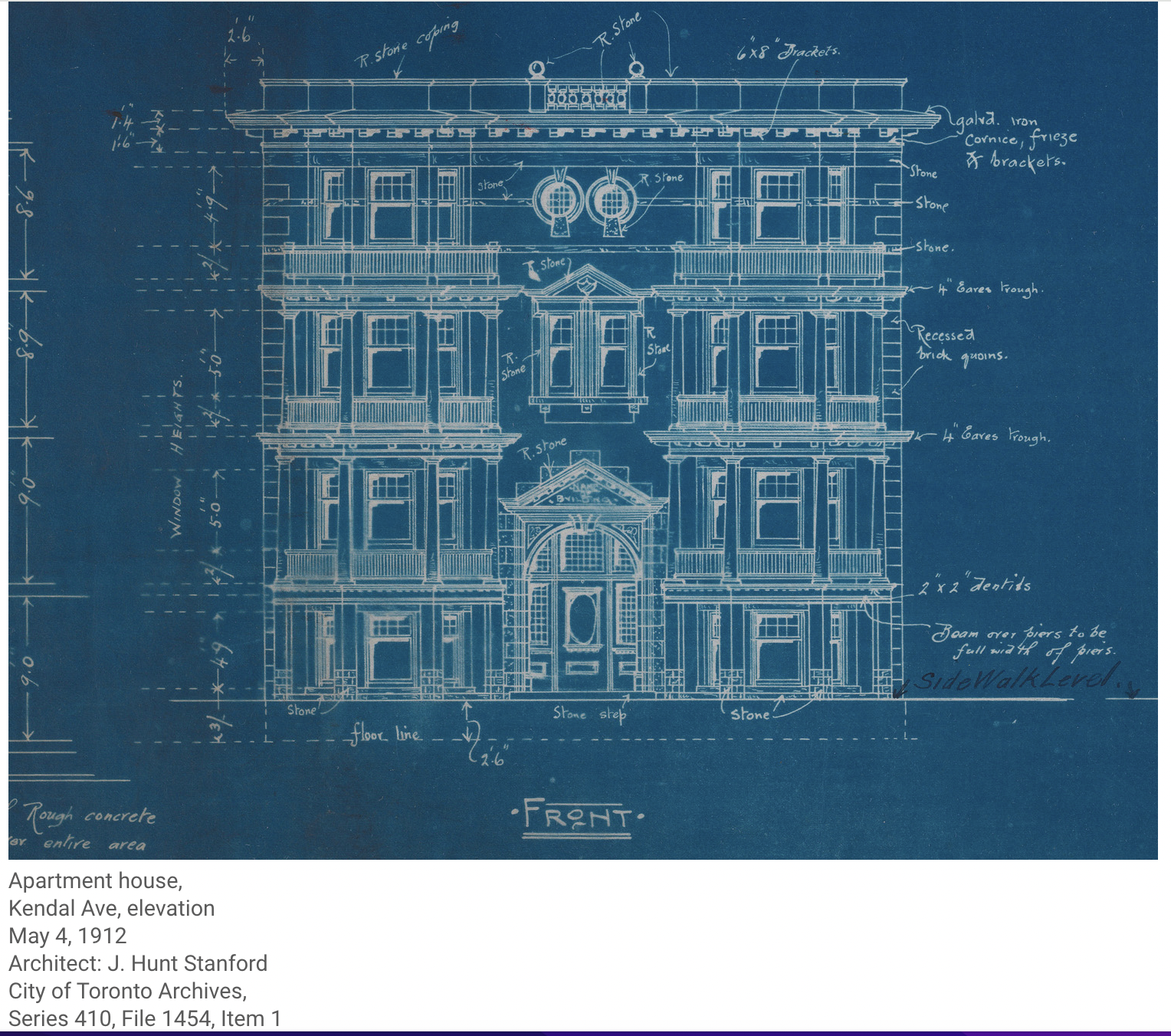
What makes a building worthy of heritage protection—and who decides? Heritage Building in Prime Location uses this question as a lens through which to examine Toronto's housing crisis. The play reveals how city planning policies can both preserve and endanger communities, exposing the loopholes and competing priorities that determine who—and what—is protected. Guided by unusual narrators, the story follows two women tenants: a young hearing working-class adult without family financial support and a Deaf employee navigating inaccessible housing systems and barriers to understanding and exercising their housing rights. As their lives intersect in unexpected ways, the play invites audiences to reconsider whose histories, homes, and futures are valued—and why. If heritage is meant to preserve what matters, then what—and whom—are we choosing to protect? And what responsibility do we share in shaping a more just future? - MoMo Holt
Exploring Heritage Building in Prime Location (Altbau in zentraler Lage) for its first Canadian presentation feels to me not unlike exploring a large unknown house. First you take note of its facade, suggestive of its interior and its inhabitants. There’s its title; in its most literal translation, the German word “Altbau” means “old building”. But what are further connotations, presumptions and experiences the term carries in different cities, communities, eras, cultures and economical climates? Where and when is “old” a desirable attribute in a building, and based on exactly what set of values? If you’re brave enough to step inside, you will be greeted by a group of chatty ghosts. If you meet them with an open mind, you’ll be led from room to room, discover dusty hidden closets and spacious ballrooms, intimate chambers for music-making & kitchens for socializing, working, and indulging; you’ll find connecting corridors, wobbly staircases and windows opening onto surprising views. What an intriguing visit. Once we’re inside the play, it reveals more and more layers and diverging branches. It starts out as a tragicomedy about the precarious housing situation in a German urban centre. But soon, echoes of past lives enter the space. They urge us to venture deeper into the histories and lives this “Altbau” once contained and accumulated. We’re faced with unsettling reflections of an evergrowing scope: how to co-exist in a socio-economic system built on profit and social division; the politics of language and information in an audio-based world; on what makes a space a home; and on music, vibration, and frequency. Placed in a foreign context – cultural and linguistic, from German Sign Language/German to ASL/English – this “Altbau” in Toronto is still under construction, a work in progress. Come on in – it’s worth investigating. - Birgit Schreyer Duarte
ARtistic director’s Note by Dawn Jani Birley, 1s1 Theatre
CLICK HERE FOR ITS ASL VERSION
At 1s1 Theatre, we create stories that ask audiences to see the world differently and to consider how we, as human beings, can find ways to connect with one another. As the first ASL-English translation of this German play, Heritage Building in Prime Location arrives at a moment when housing has become one of the most urgent social issues of our time. With rising costs and profit-driven redevelopment reshaping our cities, many people are increasingly vulnerable to displacement and uncertainty. This work brings forward perspectives that are often excluded from conversations about urban change, belonging, and social justice. This is a story about who is heard, who is ignored, and what happens when people must find new ways to understand one another. Through ASL, spoken English, and visual and sonic design, the work explores how language shapes power, relationships, and our ability to build community. The ghosts within our buildings are not merely supernatural figures—they are symbols of memory, resistance, and survival. They remind us that every space carries the histories of the people who have lived, loved, struggled, and fought to belong there. Housing is not only about property—it is about dignity, identity, and belonging. Heritage Building in Prime Location asks us to consider what we preserve, what we erase, and how we might build communities where different histories, languages, and experiences can coexist.